
Architecting autonomy: Engineering Manager Jyotsna Gajjala on leading Nine’s next-gen AI engineering teams
In the continually evolving landscape of digital media and technology, Nine is pioneering transformative approaches to software engineering. At the forefront of this innovation is Jyotsna Gajjala, an Engineering Manager in the Data Consumer Platforms team. As a technical leader driving structural change in artificial intelligence engineering, Jyotsna is guiding her teams through a massive technological shift.

By experimenting with the Agent Development Lifecycle (ADLC), Nine’s digital teams are moving away from static, manual coding toward orchestrating an autonomous ecosystem of specialised AI agents.
Leading a structural evolution in AI engineering
Stepping into an engineering leadership role during a period of rapid technological advancement brings unique opportunities. For Jyotsna, the transition has been defined by empowering her team to elevate their day-to-day impact.
“The most exciting part has been watching our senior engineers step out of the trenches of vibe coding and become true directors of an autonomous agent workforce,” Jyotsna shares.
Rather than spending hours on repetitive syntax, engineers at Nine are stepping up as directors and strategists, guiding AI tools to deliver high-quality technical outcomes.
Shifting from linear lifecycles to autonomous agent workflows
To understand the magnitude of this shift, Jyotsna points to the fundamental differences between the traditional Software Development Life Cycle (SDLC) and the pioneering ADLC framework currently being embedded at Nine.
“The different phases in an SDLC move in a linear, sequential manner with human-driven handoffs. But with ADLC, agents autonomously iterate through different stages of a deliverable guarded by human approval gates.”
This reimagined framework includes structured phases: Research, Plan, Implement, Test, Review, and Compound. In practice, this completely transforms the daily responsibilities of engineering squads.
“With ADLC, the focus of the engineering teams shifts from writing boilerplate code to defining clear intent and building a ‘harness’ for agents to produce trustworthy outputs. We now author specifications and skills in natural language to guide agents through isolated Research-Plan-Implement loops.”
The art of generation supervision and collaborative thinking
In this new paradigm, engineers transition from writing raw code to supervising generation. During a normal sprint, engineers following the ADLC audit the agent’s logic blueprints and generated outputs. They only approve the execution path when the quality of the output meets their rigorous standards. To achieve this, Nine utilises an entire collaborative ecosystem of specialised AI agents.
“We use a collaborative thinking system where a coordinator agent breaks down core tasks and delegates them to individual sub-agents that then carry out their specialised tasks. The coordinator agent ensures that these phases do not execute in isolation, and sub-agents are clearly instructed to pass the control back to the coordinator agent, which is also responsible for setting up human gates for engineers to review and approve.”
Embedding runtime guardrails and the power of human judgment
Granting autonomy to AI agents requires uncompromising governance and structural safety. To align autonomous systems with Nine’s robust engineering standards, Jyotsna and her team have introduced foundational steering rules.
“We embed non-negotiable data architecture and governance rules right into the root of our repositories using these steering files. They function as runtime guardrails that coding agents are programmatically instructed to parse before every single terminal session. Coding standards, best practices, architecture rules, and most importantly what the agent must NEVER do are all embedded into the agent’s harness so it’s never missed!”
Despite the sophisticated autonomy of these agents, human oversight remains the anchor of the entire delivery lifecycle. Human approval gates sit at every critical junction of the project hourglass, from initial spec generation and code review through to raising pull requests and updating Jira tickets.
“At every step, an agent is directed by the human with an approval or compounding loop. Human judgment remains the absolute steering wheel as agents just follow instructions that might be missing business intuition, strategic foresight, and risk ownership.”
Empowering engineers to solve complex strategic challenges
By delegating the mechanics of coding to AI, Nine is creating an environment where engineers can focus on high-impact critical thinking. Within the Data team, eliminating repetitive tasks opens the door to groundbreaking consumer innovation.
Jyotsna shares that by delegating the repetitive mechanics of data mapping and transformation workflows to autonomous agents, engineers have more time for innovation and strategy.
“With the time we save on automating repetitive coding tasks, we are able to have more time to innovate and build data products that make like easier for engineers, stakeholders and Product managers – focusing on data quality and observability, automating custom end-of-month reporting, building quick prototypes/POCs for innovative data products, building automated pipes and clear, self serve documentation so PMs don’t have to chase engineers for any questions from the business. The focus shifts from baseline maintenance to delivering AI-ready high value data products faster.”
Why mindset and architectural thinking matter for future talent
As Nine continues to lead the market in media and technology, the digital teams are actively seeking forward-thinking talent ready to thrive in an AI-driven delivery era. For engineers looking to make their mark at Nine, Jyotsna highlights the three core competencies that define success in this environment:
- Architectural mindset: Modern engineers benefit greatly from thinking like data architects and orchestrators rather than traditional syntax coders.
- Structured intent definition: The ability to clearly articulate intent, define precise instructions, and author specifications in natural language is critical for guiding agentic workflows.
- Harness construction: Building agentic skills and engineering a stable, reliable harness are essential skills to ensure the trustworthiness and quality of agent-generated outputs.
At Nine, technology professionals are not just adapting to the future of software engineering; they are actively designing it. With leaders like Jyotsna pioneering autonomous agent frameworks, engineers are empowered to elevate their craft, steer cutting-edge technology, and build the data platforms that connect with millions of Australians every day.
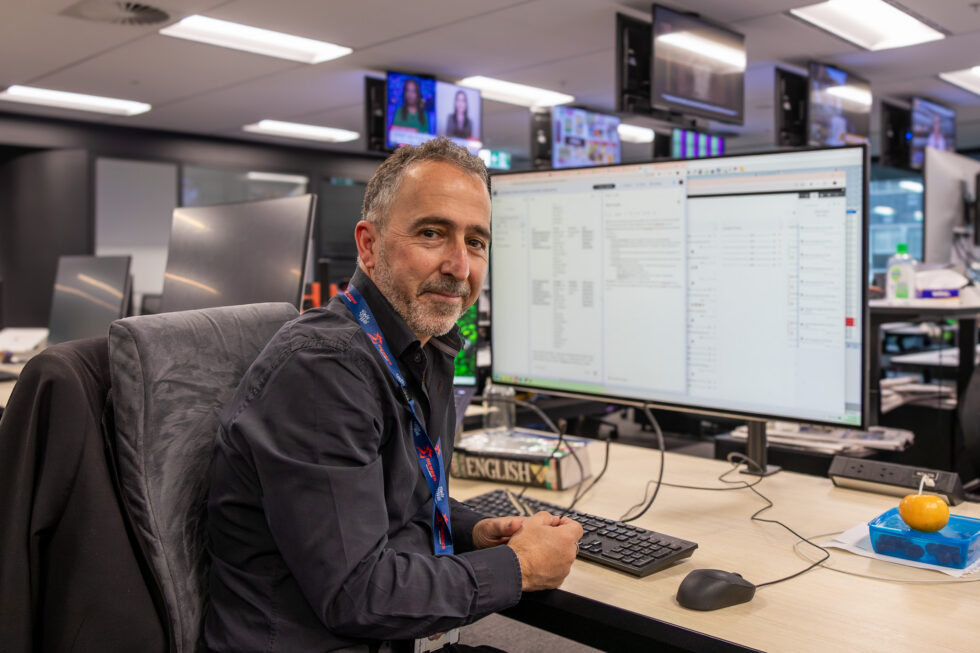
Drive your career at Nine: How our people are leading the AI revolution
At Nine, we don’t just report on the future; we build it. We are celebrating Careers Week by pulling back the curtain on how our teams are leveraging our bespoke AI Masterclass to redefine the media landscape.
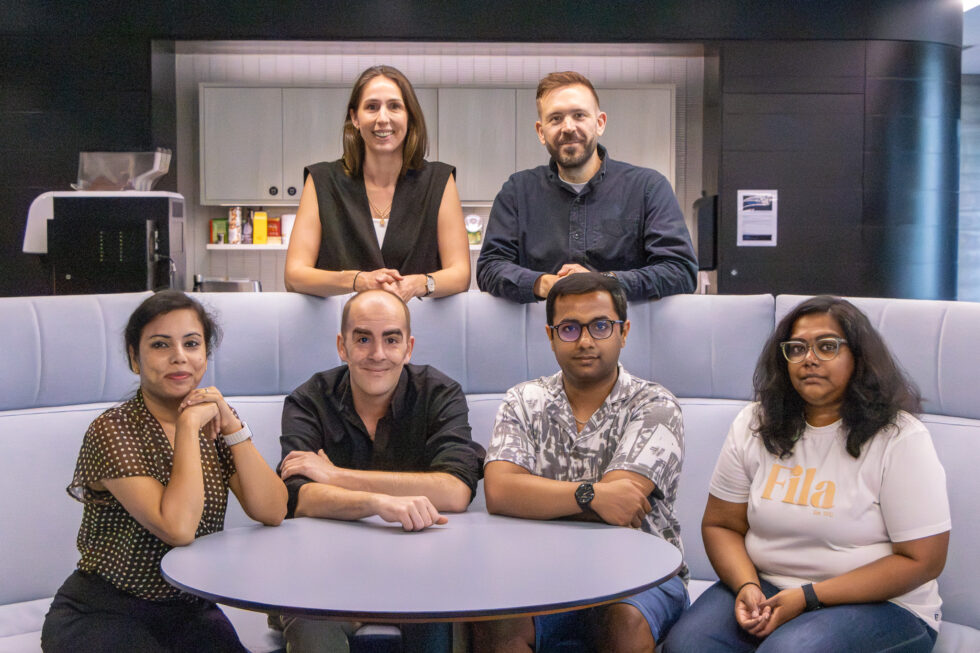
Escaping the boilerplate trap: how AI is helping Nine Engineers focus on problem-solving
Every engineer at Nine knows the scenario: a beautiful design is handed over, and the next few days are spent on the repetitive, low-value work of translating that design into code. We write Application Programming Interface (API) specifications, set up server entry points, create configuration files, and build the initial UI skeleton - all before solving the first real business problem.
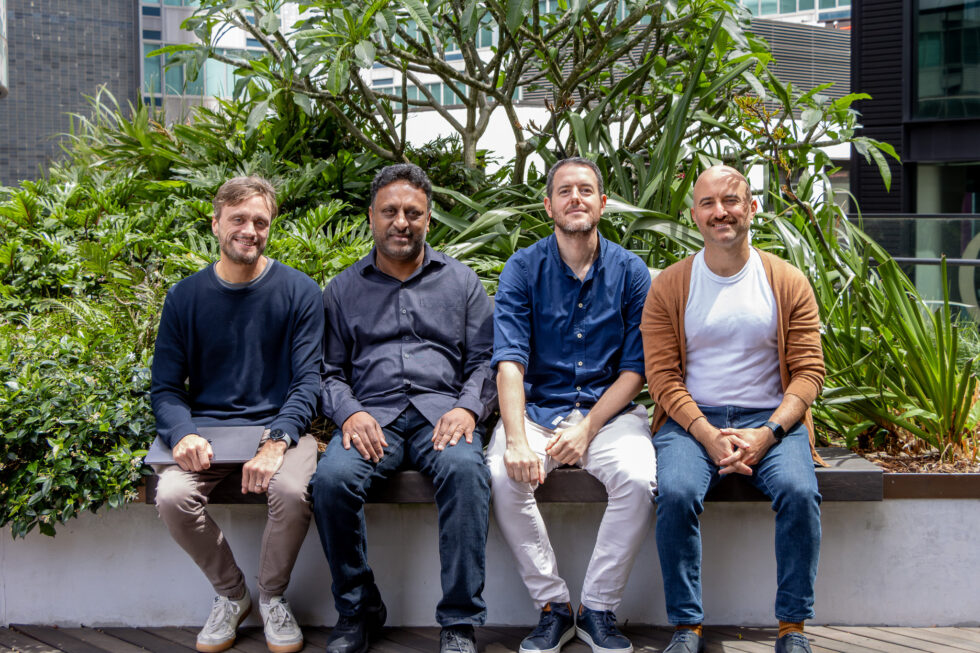
From ‘vibe coding’ to rigorous design: our journey with AI
At Nine, we're not just reporting the news; we're building the future of digital experience. When powerful generative AI tools first emerged, the excitement was electric. Like many tech teams, we dove straight in. Everyone was experimenting - designers generating wild concepts, engineers spinning up boilerplate code in seconds.
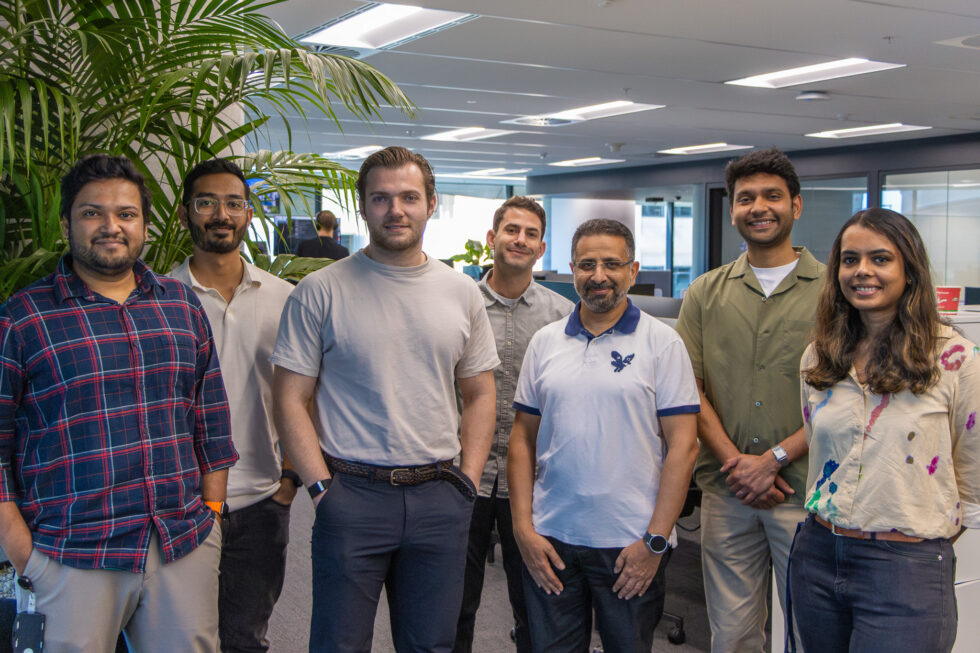
Nine’s AI journey: from prompt engineering to context engineering and beyond
With widespread use of AI, here at Nine we have been enthusiastically experimenting with Generative AI for opportunities to amplify our capabilities. Empowering our engineers to focus on complex design, creative problem solving while leaving AI to help through mundane tasks and accelerate prototyping.
Where AI meets engineering excellence: what we’re learning at Nine
After two years of using AI coding assistants, Nine has learned that these tools amplify existing engineering practices. Teams with strong release processes, automated testing and collaborative code review extract maximum value from AI, while outlier teams require targeted interventions.
Inside Nine’s AI-powered development environments
Remember that feeling when you hit a wall in a coding session, wishing for a way to fast-forward to the solution? At Nine, we’re not just wishing - we’re building a future where our engineers work alongside AI to bypass roadblocks and focus on creativity and innovation.